Diya NathwaniCampaigns
Campaign concept · Creator discovery

Find
the Faces

This campaign turns every college campus into a public talent hunt, where students scan a poster, post a 15-second video and climb a leaderboard for their college.
✓ For: college students who want to be seen
✓ The act: scan, drop 15 seconds, rank, share
✓ The ask: scan the poster and drop your 15 seconds
✓ The pilot: 50 campuses, 10 weeks

Wanted

Campus stars
YOUR COLLEGE HAS A STAR.
SCAN NOW
TOP 3 COLLEGESis yours one of them?
SCAN • DROP • RANK • SHARE • SCAN • DROP • RANK • SHARE • SCAN • DROP • RANK • SHARE • SCAN • DROP • RANK • SHARE •
01Brand ki samajh

A discovery brand that wants to be the first stop for new talent.

Stars N Celebs works on the supply side of the creator economy, which means finding emerging faces and connecting them with brands that need them.

The brand's voice should feel like the campus itself: loud, competitive, funny and a little rebellious, rather than corporate and polite.

Find the Faces is right for this brand because it makes discovery the campaign itself, so every scan produces both an audience and a pipeline of talent.

Talent funnel
BRAND DEALTOP CREATORSEVERY ENTRANTfew get found
Triangle model: every entrant can drop a video, a few become top creators and the fewest get a brand deal.
02Observations

What we see on campuses every single day.

These are strategist observations to be validated in pilot research, not survey results.

Stage and crowd
The stage exists. The discovery does not.A crowd that came for talent
Every college event has a room full of people who can perform.The talent is local, and invisible
03Insight

From observation to insight.

Students who want to be seen feel stuck inside their campus, because college gives them a stage but never a career. So Stars N Celebs can make a win visible to the whole campus first, and let pride push them outside the gate.

Weekly loop
ScanDropRankShareweeklyloop
Circle model: the weekly loop that keeps students coming back to the poster.
A student scans a QR poster on the canteen wall.It takes two seconds and needs no app, so the first step is as easy as it can be.
Scan
Your college has a star.
Drop
0:15

Sing, dance or joke. No editing.

Rank
College A 5.2K
College B 4.8K
Your college 4.1K
College D 3.9K

Placeholder names and scores

Found

You have been found.

FACE

Found

Campus star #1 · Your college · Week 1

4:30

Shared

A found card posted to a story

Keep scrolling
Click through the story

What happens after a student drops a video?

1

The video lands in her college's feed and adds points to the college leaderboard straight away.

2

Her friends see the score move, so they scan the poster too and drop their own 15 seconds.

3

At the weekly deadline the best entry gets a found card with her name, her college and the week.

4

The campus brand partner for her tribe sees the card first and can send her a first brief.

Journey
Scan QRDrop 15sCollege pointsLeaderboardFound cardBrand enquirypride is the engine
Flowchart: from a scan on a canteen wall to a brand enquiry.
Every wall is a poster
Walls have always been the first media in India.So the poster goes where students already look

05 The idea as a six-piece brief.

Business problem

Brands pay for reach, while new creators have no clear way in to those brands.

Consumer problem

A student can be famous on campus and still be unknown outside it.

Insight

College builds creators but it does not build careers.

Solution

A public campus hunt in which students scan, drop a video, rank for their college and share a found card.

Consumer goal

The student wants to be seen outside the campus gate.

Business goal

Stars N Celebs wants to be the first discovery step for new creators.

06Depth

The strategy under the idea, in plain agency terms.

ICPCollege students aged 18 to 24 who already make or want to make short video, in campuses with strong fest and inter-college culture.
Not forEstablished influencers, because the hunt exists for people who have not yet been found.
Hook"Your college has a star. Don't let their college beat yours."
Reach planPosters in canteens, libraries and hostels, then college meme pages, then student-run clubs as local captains.
Earned mediaEvery found card is a shareable asset, so winners spread the campaign through their own stories.
ScarcityEach campus gets a limited number of found cards every week, which keeps entry competitive and gives a reason to return.
RetentionA weekly leaderboard deadline lets colleges defend their rank, so students come back to drop again.
Brand partnerOne brand partner per campus tribe, such as music, dance or comedy, who offers the weekly prize and gets first sight of the talent.
Go to marketPilot on 50 campuses, switch on rivalry leaderboards, then open brand briefs to the top creators.
One call to actionScan the poster and drop your 15 seconds.
Goal and timelineA 10-week pilot, with targets for scans and creator enquiries set before launch.
Pride is the engine

Every signup
adds points.

1 College A5.2K
2 College B4.8K
3 Your college4.1K
4 College D3.9K
Placeholder names and scores
Phase 1

Pilot

50 campuses. Posters at canteens, libraries, chai stalls. Seed first entries.

Phase 2

Rivalry

Leaderboards live. Meme pages push "beat your rival college".

Phase 3

Platform

Year 1: the first stop for new creators, with brand matches on top.

Marketing framework · method · category

A campus talent flywheel, built on the Hook Model.

This idea sits in community-led UGC marketing with a campus activation layer. The Hook Model explains why students come back: a trigger, an easy action, a reward they cannot predict, and something they invest in.

CategoryCommunity-led UGC and campus activation

Students make the content. The brand runs the stage.

FrameworkThe Hook Model

Trigger (poster), Action (15-second video), Variable reward (rank and shout-outs), Investment (their followers).

MethodPilot, rank, scale

50 campuses for ten weeks, a weekly leaderboard, then more campuses.

1Trigger2Action3Reward4Invest
Trigger, action, reward, investment. Then round again.
Goal shape
Week 1Week 4Week 7Week 10scans should climb
Illustrative shape of the goal, not data: scans should rise week by week.
Research and measurement plan
MetricHow it is measuredBaselineTargetSource
QR scansUnique scans per campus per weekZero at launch10K in the pilot (projected)Platform analytics
Videos droppedEntries received per campusZero at launchSet at launchPlatform analytics
ReachViews of found cards and sharesZero at launch150K across 50 campuses (projected)Social platforms
Creators with a brand enquiryEnquiries logged by Stars N CelebsCurrent enquiry rateSet at launchStars N Celebs

Before launch we would interview students from five to ten campuses and test whether the star-on-campus observation and the rivalry insight hold. Every figure stays a projection until real data replaces it.

07 Analytics: comms, brand, business.

Comms
10K

scans in the pilot

Projected plan, not a result
Brand
150K

reach across 50 campuses

Projected plan, not a result
Business
tbd

Creators who get a brand enquiry

Target set at launch
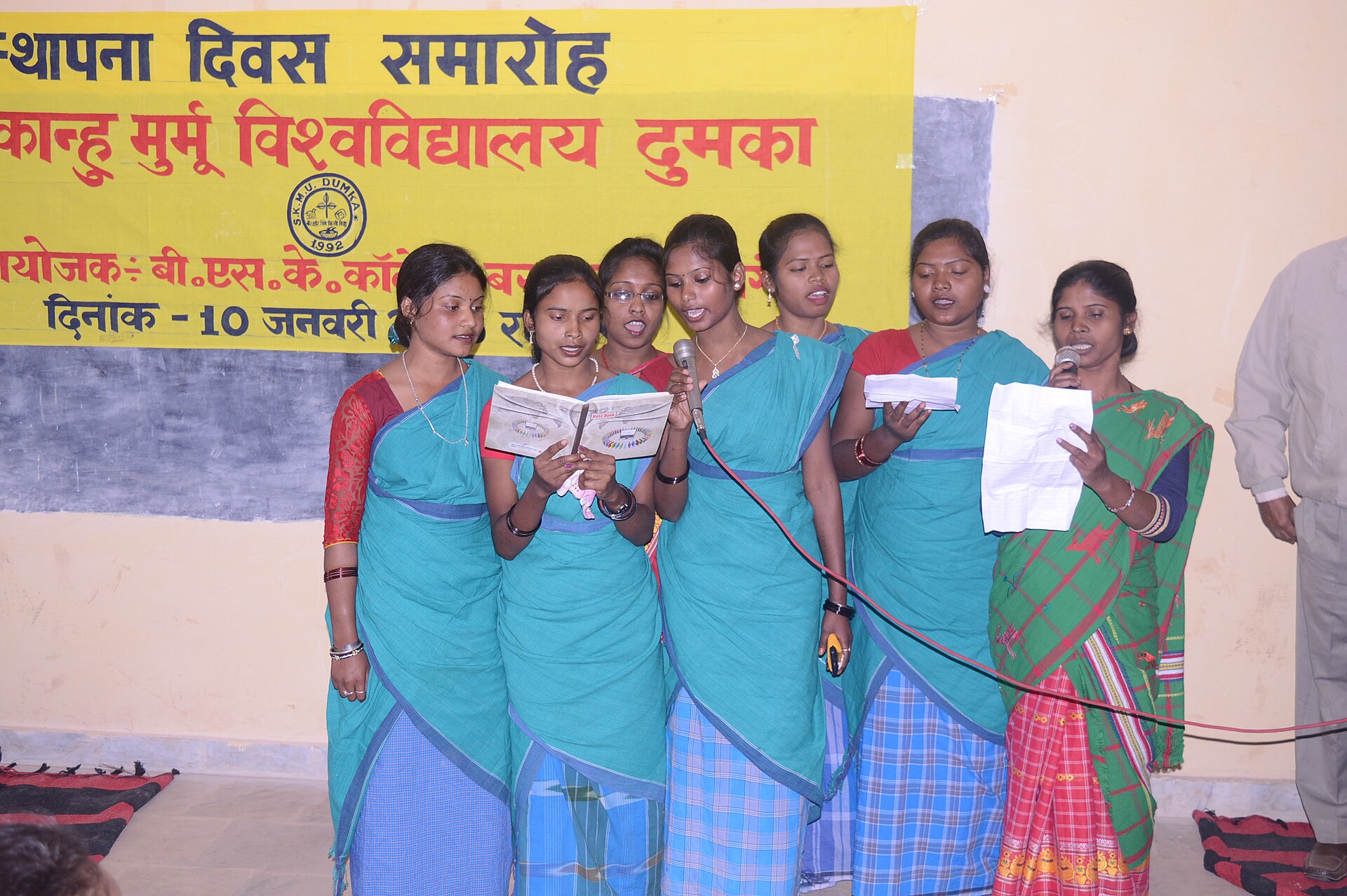
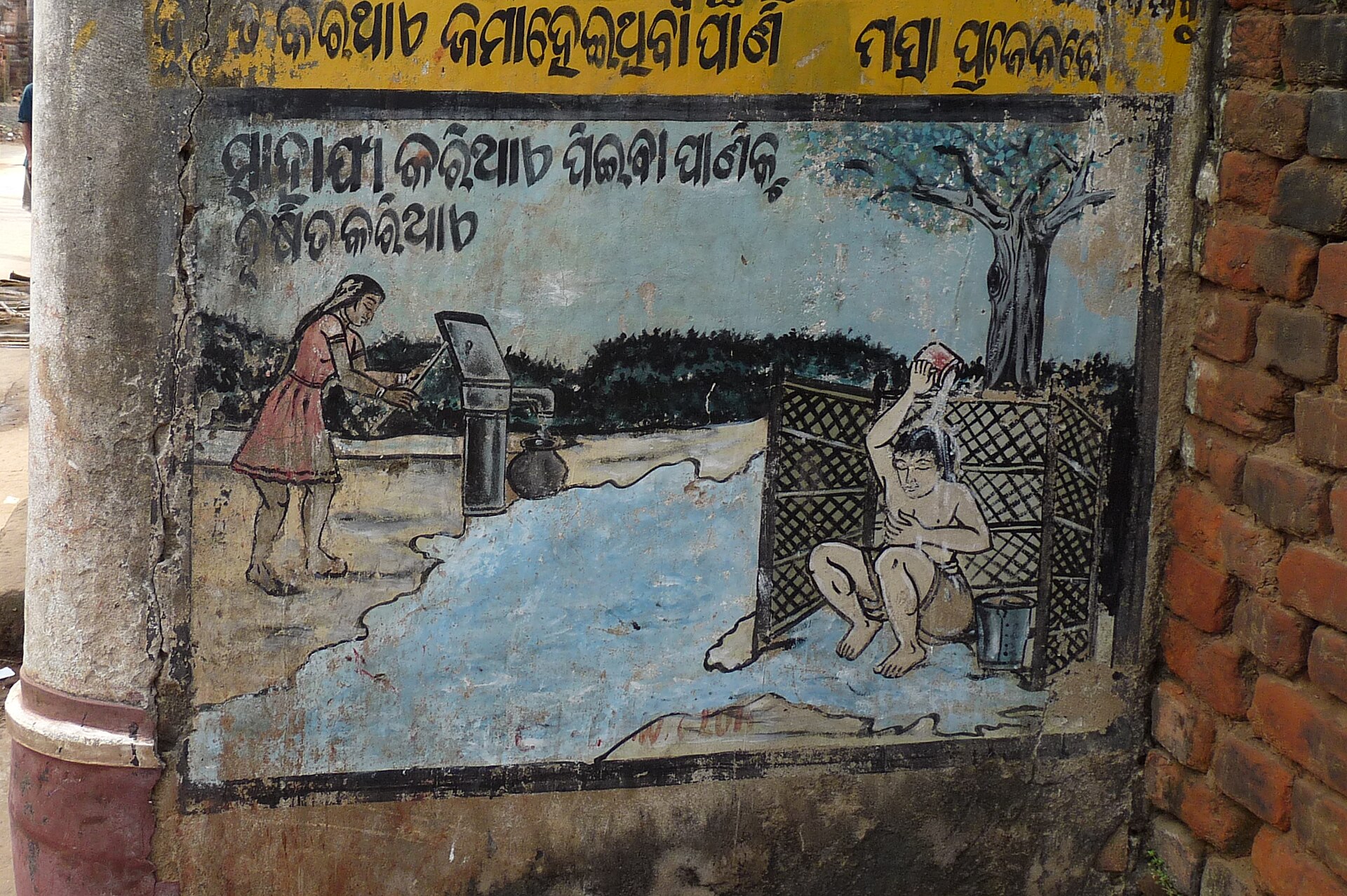
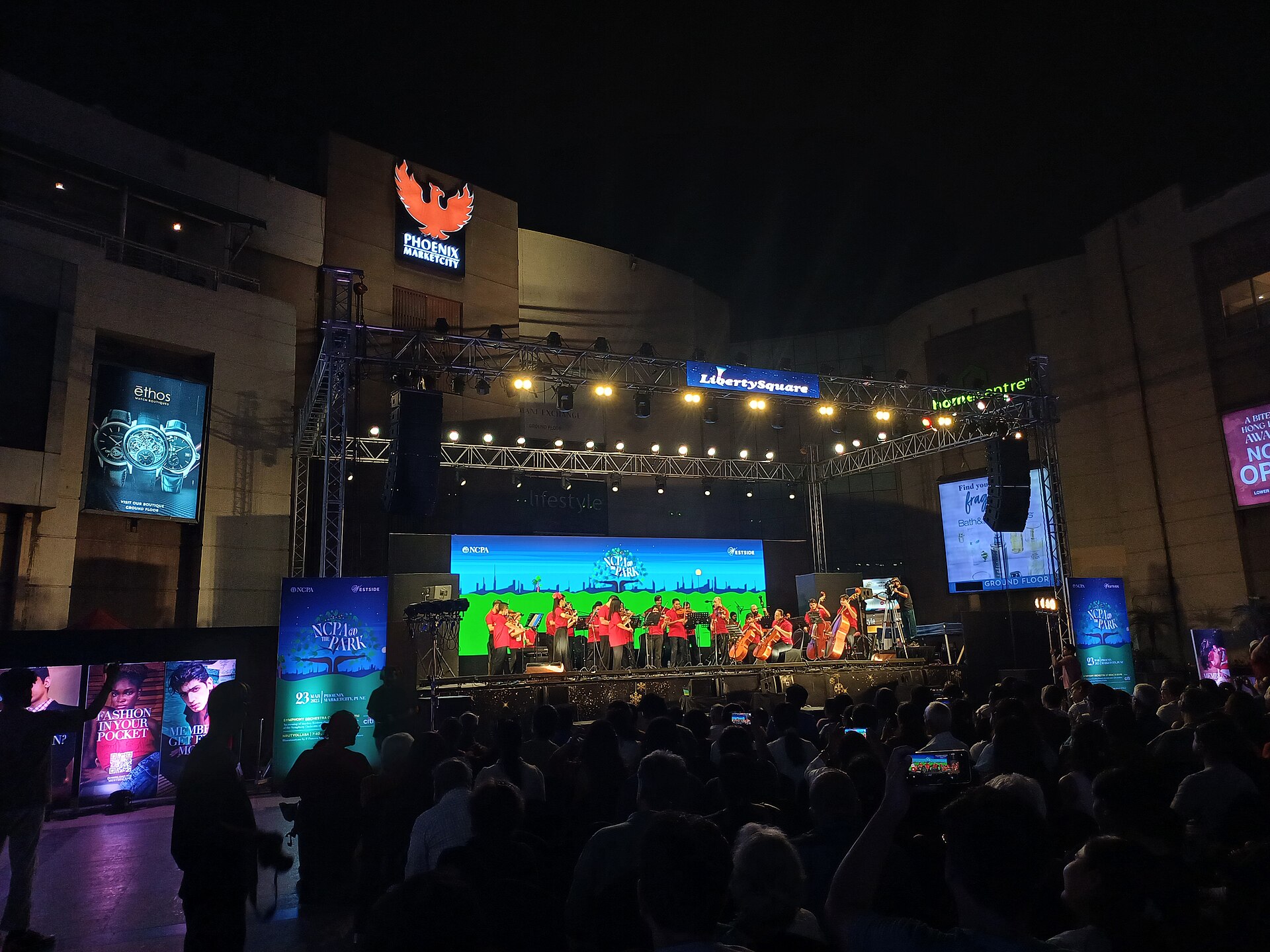
Photographs are real, free-licensed images from Wikimedia Commons, chosen to set the scene. They do not show the client or its project. Team selfie (Arjun Shyla Suresh, CC BY-SA 4.0) · Phoenix Marketcity Pune (DesiBoy101, CC BY 4.0) · Occasion at College Fest (Satyam Kumar, CC BY-SA 4.0) · Public Service Announcement painted on village wall (5171219 (Steve Browne & John Verkleir from Chicago, Uni, CC BY 2.0)

Find
the Faces.

Concept and strategy by Diya Nathwani

Concept page. College names and scores are placeholders. Figures are planning targets, not results.